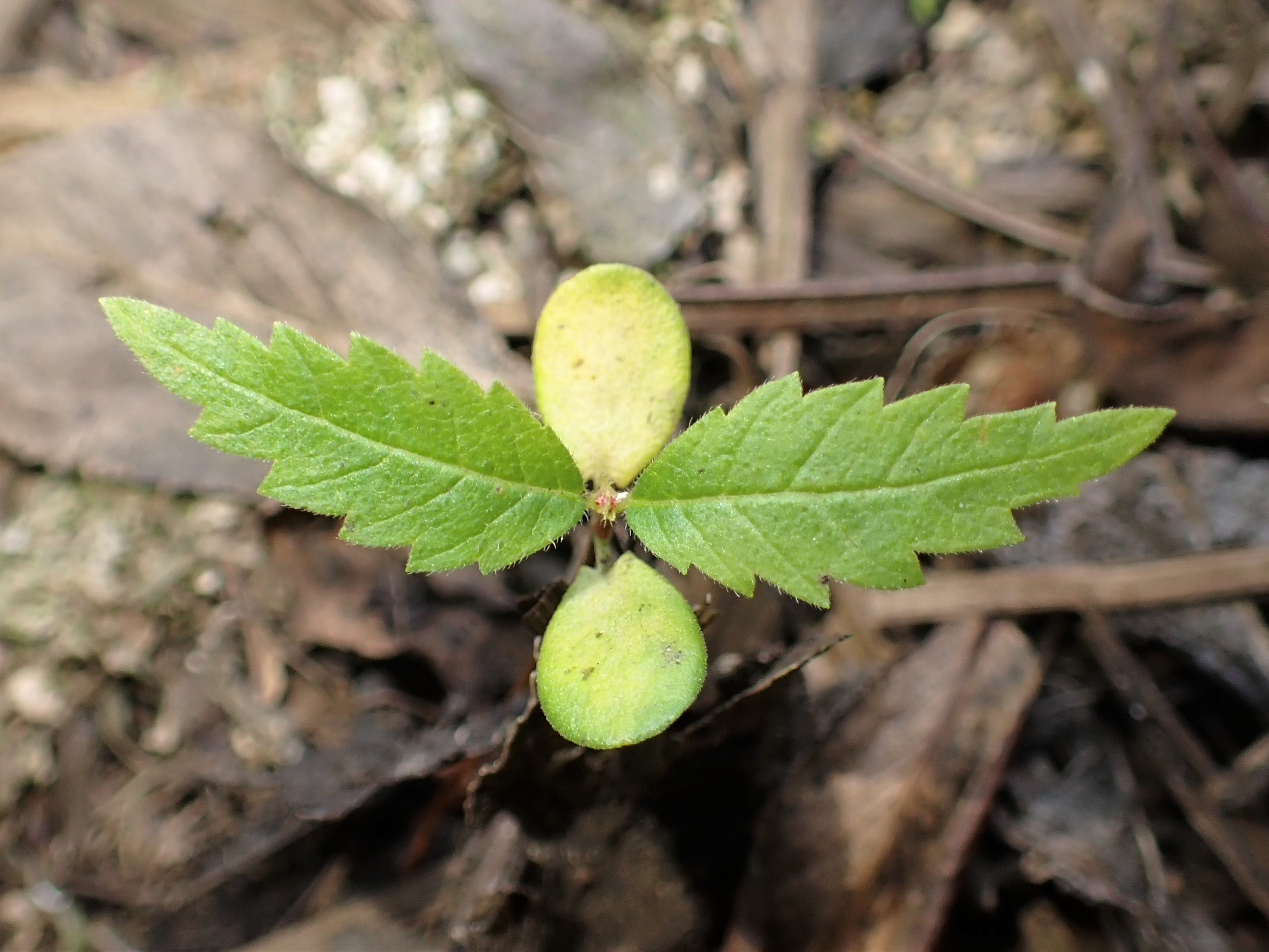
Elm — known in Italian as olmo — has a documented history of use in Italian rural construction spanning several centuries. Its combination of interlocked grain, resistance to splitting, and reasonable performance in wet conditions made it a practical choice for specific outdoor applications long before engineered wood products became available.
The availability of elm in Italy changed substantially in the second half of the twentieth century due to Dutch elm disease, which severely reduced standing elm populations across the country. Understanding the current situation — what is available, where, and under what conditions — is necessary for anyone considering elm for an outdoor project today.
Historical applications in Italy
In Italian agricultural and rural construction traditions, elm had established roles that reflected its specific mechanical advantages. The interlocked grain that makes elm difficult to split lengthwise also makes it resistant to the repeated compressive and shear loads encountered in certain structural connections.
Outdoor furniture and vineyard structures
In the wine-producing regions of Piedmont, Tuscany, and Emilia-Romagna, elm was used for vine support posts and outdoor furniture through much of the nineteenth century. The combination of adequate strength and reasonable performance in seasonal wet-dry cycles suited these applications, where posts were partially driven into soil and exposed to rain and sun for decades.
Traditional Italian outdoor benches and tables from this period, produced by regional workshops in the Po Valley, used elm for seat and tabletop planking where the wavy grain provided visual character. Artisan pieces from this tradition still appear in Italian antique markets, identifiable by the cross-grained surface figure characteristic of quarter-sawn Ulmus minor.

Water and hydraulic structures
Elm's notable performance when permanently submerged led to its use in hydraulic structures along Italian rivers and irrigation systems. Records from the northern Italian plains document elm used for sluice components, mill race linings, and water channel edging in Lombardy and Veneto through the eighteenth and nineteenth centuries. The Po Valley's extensive canal network included elm components in lock gates and water control structures at various points.
This application exploited a specific property of elm heartwood: when kept consistently wet, it is more durable than its above-ground classification suggests. The condition — permanent immersion without cyclic drying — is uncommon in outdoor construction today, but it explains why old elm components from these hydraulic structures often survive in good condition when excavated.
Agricultural implements and outdoor use
Cart wheels, farm gate components, and outdoor storage structures across northern and central Italy used elm as a standard material through the early twentieth century. The wheel-hub application — where elm's resistance to splitting under radial load was directly relevant — is documented in blacksmith and wheelwright records from Piemonte, Veneto, and Emilia. By the mid-twentieth century, metal and softwood had largely replaced elm in these applications as rural craft traditions declined.
Impact of Dutch elm disease
Dutch elm disease, caused by the fungus Ophiostoma novo-ulmi, reached Italy in the 1970s and spread through elm populations across the country through the following two decades. The disease is transmitted through the elm bark beetle (Scolytus species), which carries fungal spores between trees as it feeds and breeds in elm bark.
The effect on Italian elm populations was severe. Roadside elms, which were common across northern Italian towns and rural roads as shade trees and windbreaks, were largely lost. Forest elm populations in the Po Valley and on lower Apennine slopes were significantly reduced. Ulmus minor — the species most commercially relevant for timber — was among the most heavily affected.
Some populations of Ulmus minor survived in isolated locations, and ongoing European research programmes have identified disease-resistant individuals. The Forest Europe programme and Italian regional forestry agencies have documented partial recovery in some areas. However, mature elm timber of the diameter and quality historically available in Italian markets remains substantially less common than before the disease.
Current availability in Italy
Elm timber available in Italy today comes from several distinct sources, each with different characteristics and supply reliability:
Reclaimed and salvaged elm
The most consistent source of quality Italian elm timber is reclaimed material — beams, planks, and boards recovered from demolished rural buildings, barn conversions, and old agricultural structures in northern Italy. This material is typically old-growth elm with denser, more stable grain than younger plantation timber. Specialist timber yards in Piedmont, Lombardy, and Veneto stock reclaimed elm in varying quantities.
When purchasing reclaimed elm, moisture content should be measured before use, as material from old structures may have been stored in variable conditions. Old growth reclaimed elm from pre-disease trees often has a tighter annual ring spacing, indicating slower growth and typically higher density than faster-grown younger material.
Certified Italian sawmill sources
A small number of Italian sawmills process elm from disease-affected or storm-felled trees in northern Italian forests. Supply is irregular and typically sold in small lots through direct contact rather than through standard timber distribution channels. Regional forestry authorities in Trentino-Alto Adige, Valle d'Aosta, and Friuli-Venezia Giulia occasionally list timber sales from forest management operations that include elm.

Imported elm
Elm timber imported from central and eastern Europe — where Ulmus minor and Ulmus laevis are more available due to less severe disease impact in some regions — is sold by specialist hardwood importers in Italy. This material is typically kiln-dried and graded, making it more suitable for precision outdoor furniture production than rough-sawn local material. Buyers should request species certification to distinguish between Ulmus minor, Ulmus laevis, and the Chinese elm (Ulmus parvifolia), which is sometimes sold under the generic "elm" description and has different property characteristics.
Current outdoor applications
Contemporary use of elm in Italian outdoor construction is concentrated in craft and restoration contexts rather than volume construction. The main areas where elm is actively specified or sought:
- Furniture restoration: Specialist furniture restorers working on historical Italian pieces require matching timber for repairs and component replacement. Elm is sought for this purpose across northern and central Italy.
- Artisan outdoor furniture: A number of small workshops in Piedmont, Veneto, and Tuscany produce custom outdoor furniture in elm, marketed specifically for the grain character and historical provenance. This market segment uses reclaimed or imported kiln-dried material.
- Pergola and garden structure construction: For residential garden structures in regions with moderate climate — the pre-Alpine foothills, the Ligurian coast — elm is used by some specialist builders as an alternative to more commonly specified larch or robinia. The choice is typically driven by aesthetic preference for the grain rather than structural or cost advantages.
- Heritage restoration projects: Restoration of historical buildings and rural structures in northern Italy sometimes requires elm to match original material specifications. Regional soprintendenze (heritage authorities) may specify original species for approved restoration work.
Sourcing guidance
For anyone sourcing elm timber for an outdoor project in Italy, the following practical steps apply:
- Contact specialist hardwood timber yards rather than general builders' merchants. Hardwood specialists are more likely to stock or source elm and can provide species and origin documentation.
- Request a species declaration in writing. Elm sold as "native hardwood" without species identification may be Ulmus laevis (lower durability and stability) or a non-native species with different properties.
- For structural applications, request timber graded to EN 338 or an equivalent Italian standard. Ungraded reclaimed timber should not be used in structural positions without assessment by a qualified engineer.
- Check moisture content before purchase. For outdoor furniture, air-dried material at 15–18% MC is appropriate for Italian conditions. Kiln-dried material (8–12% MC) benefits from acclimatisation before assembly.
- Verify that reclaimed timber is free of metal inclusions (nails, staples, iron fixings) before processing. Metal inclusions in reclaimed beams can damage tooling and pose safety risks during sawing.